-
-
-
105, First Floor, Swapnil Complex - 5, Commerce Six Roads, Navrangpura, Ahmedabad - 380009
Spine Canal Stenosis
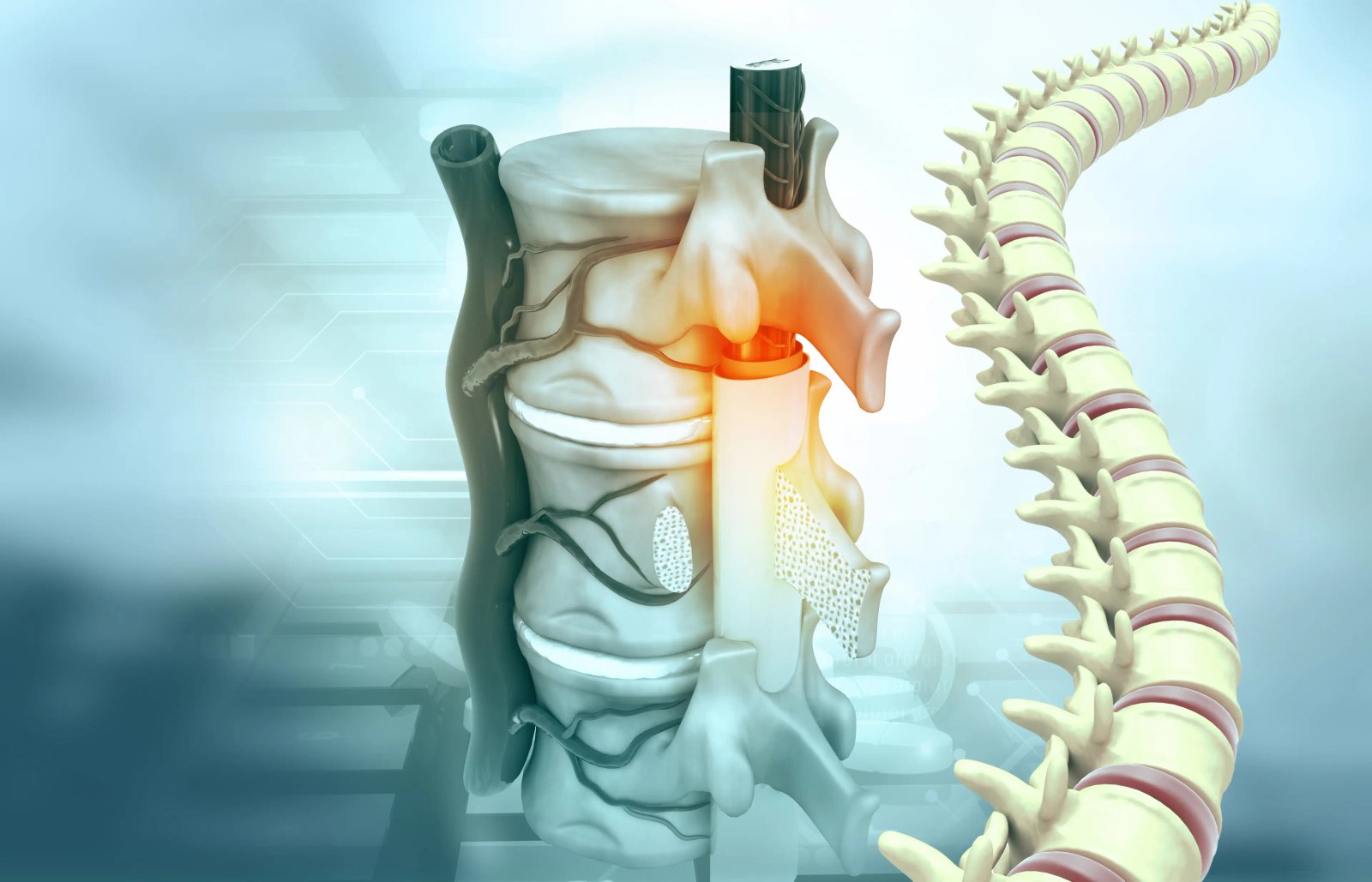
Spine Canal Stenosis
-
Narrowing of the spinal canal.
-
Causes pressure on nerves.
-
May cause leg weakness.
-
Treated with medication and physiotherapy.
-
Steroid injections reduce inflammation.
-
Exercise and posture correction help recovery.
-
Severe cases may need surgery.
When Is Treatment Needed for Spine Canal Stenosis?
Treatment for spine canal stenosis is needed when the narrowing of the spinal canal begins to cause sharp radiating pain in legs, numbness, pin prick sensation, burning sensation in legs and or difficulty in daily activities. This condition occurs when the space within the spinal canal becomes narrow and puts pressure on the spinal cord or surrounding nerves.
Doctors usually recommend treatment when patients experience symptoms such as chronic back or neck pain, numbness or tingling in the arms or legs, muscle weakness, difficulty walking, or pain that worsens while standing or walking. In many cases, these symptoms develop gradually as the spinal canal becomes more restricted.
Early treatment helps reduce nerve pressure and prevent the condition from worsening. Depending on the severity of the stenosis, treatment may include medications, physiotherapy, posture correction, spinal injections, or in more severe cases surgical procedures to relieve pressure on the spinal nerves and improve mobility.
How Is Spine Canal Stenosis Treated?
Spine canal stenosis is treated using both non-surgical and surgical approaches depending on the severity of the condition and the symptoms experienced by the patient. Doctors usually begin with a detailed evaluation that may include a physical examination and imaging tests such as X-rays, MRI, or CT scans to determine the extent of narrowing in the spinal canal.
In many cases, treatment starts with conservative methods such as medications to reduce pain and inflammation, physiotherapy to strengthen the muscles supporting the spine, and exercises that improve flexibility and posture. Lifestyle modifications, including maintaining proper posture and avoiding activities that put excessive strain on the spine, may also help manage symptoms.
If symptoms persist or worsen, doctors may recommend advanced treatments such as spinal injections to reduce inflammation and relieve nerve compression. In more severe cases where there is significant pressure on the spinal cord or nerves and conservative treatment of physiotherapy, medicine have failed to relieve pain and numbness or there is worsening of symptoms of pain and weakness despite physiotherapy and medicine surgery is offered as a treatment. Atheist six weeks of physiotherapy is desirable before taking decision for surgery in most cases surgical procedures may be performed to widen the spinal canal and relieve pressure on the nerves.
In some exceptional cases, where difficulty in passing urine or weekness( paralysis) of legs is noticed( cauda equina syndrome) surgery may be considered earlier.
The main goal of treatment is to reduce pain, improve mobility, relieve nerve pressure, and help patients return to their normal daily activities with better spinal health.
What Is the Recovery Time After Spine Canal Stenosis Treatment?
The recovery time after spine canal stenosis treatment varies depending on the severity of the condition and the type of treatment used. In mild to moderate cases treated with medications, physiotherapy, and lifestyle changes, patients may begin to feel relief within a few weeks and gradually return to their normal activities.
For patients who require advanced treatments such as spinal injections or minimally invasive procedures, recovery takes a few days. Patients are allowed to move out of bed the day after surgery and encouraged to resume most of the activities within a week.
If surgical treatment is needed to relieve pressure on the spinal nerves, recovery may take several weeks to a few months. Following the doctor’s advice, maintaining proper posture, and attending regular follow-up appointments can help support a smoother recovery and improve long-term spinal health.