-
-
-
105, First Floor, Swapnil Complex - 5, Commerce Six Roads, Navrangpura, Ahmedabad - 380009
Spine Injury
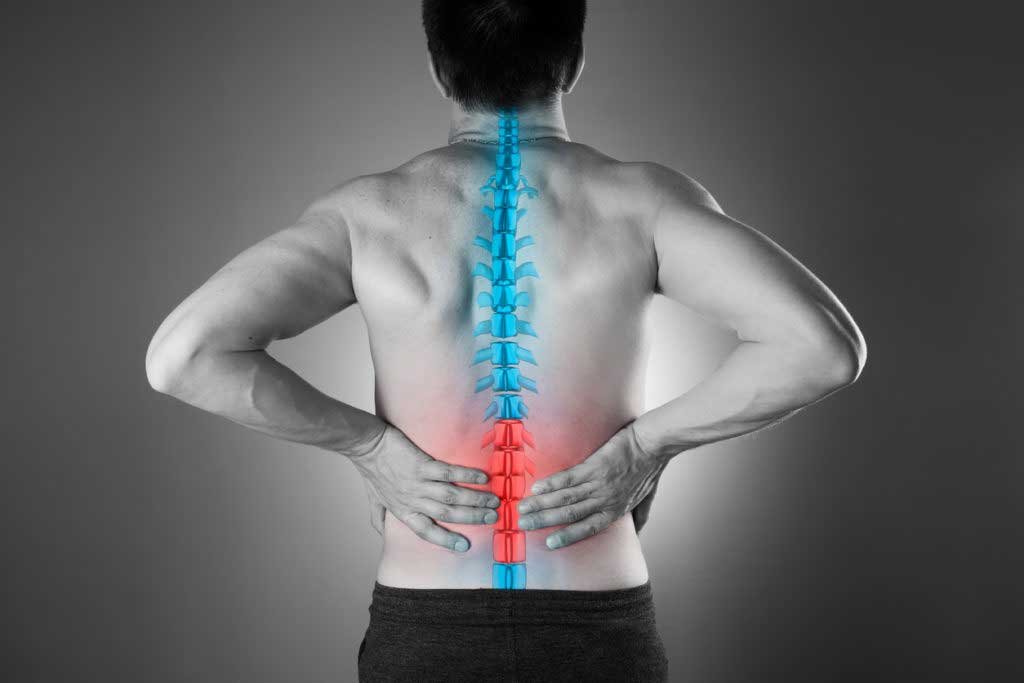
Spine Injury
Spine Injury can occur due to accidents, falls, sports activities, or age-related degeneration, and it often affects the backbone’s stability, flexibility, and ability to protect the spinal cord. Depending on the severity, injuries may range from simple strains to fractures or nerve compression, leading to pain, weakness, numbness, or restricted movement.
Early evaluation and treatment are crucial in managing spine injuries effectively. Care may involve non-surgical methods such as physiotherapy, medications, and bracing, or advanced surgical options for severe cases. The goal of treatment is to relieve pain, restore spinal alignment, protect the nerves, and help patients regain mobility and confidence in their daily lives.
When Is Spine Injury Treatment Needed?
Spine injury treatment is needed when damage to the spinal bones, discs, nerves, or surrounding tissues causes significant pain, weakness, numbness, or difficulty with movement. These injuries may occur due to accidents, falls, sports injuries, or trauma that affects the stability and function of the spine.
Doctors usually recommend treatment when a patient experiences persistent back or neck pain, reduced mobility, nerve-related symptoms such as tingling or numbness in the arms or legs, or difficulty standing and walking. Early medical evaluation is important to prevent further complications and protect the spinal cord and nerves.
Depending on the severity of the injury, treatment may include medications, physiotherapy, bracing, or in some cases surgical procedures to stabilize the spine and relieve pressure on the nerves. The goal of spine injury treatment is to reduce pain, restore spinal stability, and help the patient safely return to normal daily activities.
Spine Injury Treatment Procedure
The procedure for spine injury treatment depends on the type and severity of the injury. Doctors first conduct a detailed evaluation, including medical history, physical examination, and imaging tests such as X-rays, MRI, or CT scans to identify the exact location and extent of the spinal injury.
For mild to moderate injuries, treatment usually begins with non-surgical methods such as medications to reduce pain and inflammation, physiotherapy to strengthen the muscles supporting the spine, and the use of braces or support devices to stabilize the affected area. These treatments help promote healing and restore normal spinal function.
In more severe cases where there is significant spinal instability, nerve compression, or fractures, surgical treatment may be required. Surgical procedures may involve stabilizing the spine with screws or rods, repairing damaged vertebrae, or relieving pressure on the spinal cord and nerves.
What Is the Recovery Time After Spine Injury Treatment?
The recovery time after spine injury treatment depends on the type and severity of the injury as well as the treatment method used. For mild spine injuries treated with medications, rest, and physiotherapy, patients may begin to feel improvement within a few weeks and gradually return to normal activities.
In cases where the injury is more serious or requires surgical treatment, recovery may take several weeks to a few months. During this time, patients are usually advised to follow a structured rehabilitation program that includes physiotherapy, strengthening exercises, and posture correction to support healing and restore mobility.
Regular follow-up visits with the doctor are important to monitor progress and ensure the spine is healing properly. With proper care, rehabilitation, and lifestyle adjustments, many patients are able to regain strength, reduce pain, and safely return to their daily routines.